
Who are the Bakingwe, Sabot, Bahaya, Maragoli and Mososhek: What Happened to the Bill Meant to Recognize them in Uganda?


The Bakingwe, Sabot (Saboat), Bahaya (Haya), Maragoli, and Mososhek (Mosopisyek) are minority ethnic communities that have long lived within Uganda (specifically, prior to 1st February 1926, a year in which final bordes of the republic of Uganda were established) but have historically not been listed among the indigenous communities recognized in the Third Schedule of the 1995 Constitution. Their exclusion has created challenges related to identity, citizenship documentation, cultural preservation, and access to certain government programs.
But wait! Are they only five groups? Not at all. Available evidence shows that the fight for recognition of different indigenous groups is always on! Yes, in 2021, the presented bill considered only five. However, by 2023, MPs were advocating for 9 indigenous communities, including the Batwa of Kisoro (see here too).
However, Batwa of Kisoro have been a recognized group since 1990s and the 1995 constitution lists them among the 65 indigenous tribes of Uganda (they are on No. 35).
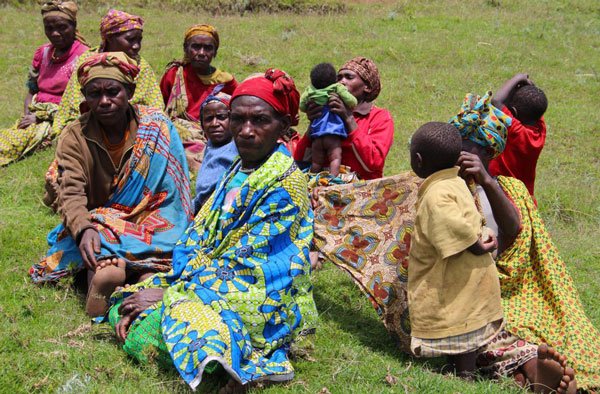
Because Culture Unity is deeply dedicated to preserving indigenous identity and protecting endangered heritages, celebrating small or historically marginalized groups like these is exactly what our ecosystem is built for. As such, in this article, we briefly explore the five indigenous groups that were originally presented in 2021 and what happened to the 2022 bill that was meant to recognize them as indigenous communities.
NB: Keep in mind that one sure threat to an indigenous group’s cultural future is a reduced number of its members, right? Well, based on the 2024 National Population Census, 28 tribes have less than 100,000 members, with most of them falling below 50,000 members. This means that, as Culture Unity, we have a lot of work to do to empower these communities in preserving, celebrating, and sharing their heritage and indigenous knowledge.
Back to the topic:
Who are the Bakingwe, Sabot, Bahaya, Maragoli and Mososhek?
1. The Bakingwe (Bakingwe People)
- Geographical Location: Primarily located around the crater lakes, Rwenzori foothills (Kasese), and the shores of Lake Edward and Lake George in Western Uganda (often linked near Queen Elizabeth National Park).
- Cultural Identity & Way of Life: Historically, the Bakingwe are an indigenous Bantu group deeply rooted in a fishing and salt-mining economy, particularly around the historic salt pans of Lake Katwe. Because they are a smaller community surrounded by larger ethnic groups like the Bakonjo and Banyankole, their distinct language and customs have often faced assimilation pressures. Preserving their specific dialects, folklore, and local fishing rituals is exactly the kind of “endangered heritage” that demands digital documentation.
2. The Sabot (Sabaot)
- Geographical Location: Mount Elgon region, straddling the border of Eastern Uganda and Western Kenya.
- Cultural Identity & Way of Life: The Sabaot are part of the larger Southern Nilotic Kalenjin ethnic group. They are famously regarded by sister tribes as the “keepers of the authentic Kalenjin tradition” because Mount Elgon (Tulwetab Kony) is considered the ancestral cradle of the Kalenjin people. They are divided into sub-clans (including the Pok, Somek, Koony, and Bong’omek). Traditionally pastoralists and high-altitude farmers, their culture is rich in age-set systems, complex oral storytelling, and deep spiritual connections to the mountain landscapes.
3. The Bahaya (Haya People)
- Geographical Location: The Kagera Region in Northwestern Tanzania, along the western shores of Lake Victoria (bordering southern Uganda). A notable population also resides within Uganda, mostly in Rakai District.
- Cultural Identity & Way of Life: The Bahaya are a prominent Bantu ethnic group with a fascinating, highly sophisticated history. Archeological evidence credits them with independently developing advanced carbon-steel iron smelting technologies over 2,000 years ago! Economically and socially, they are centered around an intensive, highly sustainable banana-farming system known as Kibanja, which seamlessly integrates banana crops, coffee, and livestock manure. Historically structured around strong kingships and dynastic clans (such as the Bahinda), they boast vibrant drumming, expressive energetic dances, and a rich linguistic heritage (Oluhaya).
4. The Maragoli (Logoli)
- Geographical Location: Mainly concentrated in Vihiga County in Western Kenya, though historical migrations have established small, recognized Maragoli communities in parts of Uganda (like Kiryandongo, Masindi, and Hoima districts) and Tanzania.
- Cultural Identity & Way of Life: The Maragoli are the second-largest sub-tribe of the Luhya (Bantu) people and speak the Lllogooli language. They were among the earliest Luhya groups to adopt Western education and Christianity in the early 20th century due to early missionary interaction, which heavily shaped their modern socio-economic structure. Traditionally agriculturalists, they place profound cultural emphasis on family lineages, extensive funeral customs to honor ancestors, and a love for traditional choral and cultural music.
5. The Mososhek (Mosopisyek / Benet)
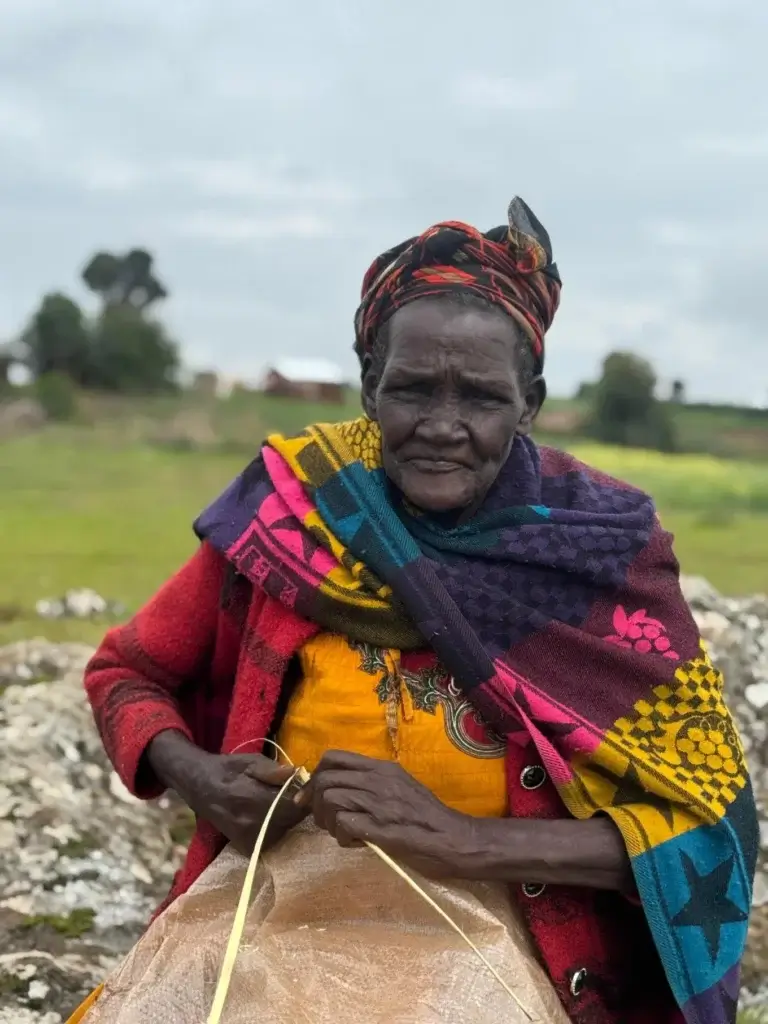
- Geographical Location: The highest, upper slopes and moorlands of Mount Elgon in Eastern Uganda (Kapchorwa, Kween, and Bukwo districts).
- Cultural Identity & Way of Life: The Mosopisyek (often referred to historically as the Benet or indigenous Ndorobo) are the true high-altitude forest keepers of Mount Elgon. As an indigenous hunter-gatherer and pastoralist community, their entire culture, spiritual system, and herbal medicine practices are intertwined with the mountain’s forest ecosystem. In recent decades, they have faced severe challenges, including displacement due to national park conservation boundaries. They are currently fighting to preserve their ancestral land rights, their distinct language, and their historical identity as sustainable protectors of the mountain’s ecology.
The cross cultural foundation of Uganda (CCFU) has a detailed document about everything about the Mososhek People. Read or download it here.
Those are the five groups and their brief details. This takes us to the next questions, why do they want recognition? What happened to the bill?
Why did they want recognition?
Uganda’s Constitution recognizes indigenous communities that were present within Uganda’s borders as of 1 February 1926. We have deeply explored these date or period dynamics in relation to the Bafumbira of Kisoro and their becoming Ugandans since 1910 (Visit bafumbira.com for more). Communities not listed in the Third Schedule often report difficulties proving indigenous status, preserving their languages and cultures, and obtaining full recognition within government systems.
Some scholars and human rights activists suggest the overall amendment of the 1995 constitutions, which focused on the groups that had been recognized by the British Protectorate Government. Indeed, those guys must have left out a number of indigenous tribes. Indeed, it is the right time to indeed make a better list of all our indigenous tribes. Indeed, the President has ever said, a complete assessment and appraisal must be done so this is done once and for all. Question is, who is doing this comprehensive assessment and appraisal? Is there anyone doing it?
MPs and advocacy groups argued that these indigenous communities are forcebly assimilated into larger ethnic groups, hence risking losing their cultural identities.
What happened to the Bill?
In November 2021, Kibanda South MP Jacob Karubanga obtained leave from Parliament to introduce a Constitutional Amendment Bill seeking to add these communities to the Third Schedule of the Constitution.
The proposal later evolved into The Constitutional (Amendment) Bill, 2022, which sought to recognize several communities including the Bakingwe, Maragoli, Mosopisyek, Saboat, Bagabu, and Baziba, and to rename the Chope community as Pa Luo.
However, the Bill did not become law. According to Parliament’s Bill Tracker, it remained at the First Reading/Committee stage and was never passed by Parliament. Its status is recorded as “stood over”, meaning consideration was postponed.
One major reason was that the Speaker halted fresh constitutional amendment proposals (see here too) while government was considering a broader constitutional review process. As a result, the recognition bill did not proceed to second or third reading.
Where does the matter stand today?
The issue remains unresolved. The Equal Opportunities Commission has continued to advocate for constitutional recognition of several unrecognized indigenous and minority communities, including the Bakingwe, Haya, Maragoli, and others. Human rights organizations have also argued that exclusion from the constitutional list contributes to marginalization and statelessness concerns for some groups.
Why This Matters to Culture Unity
From the endangered fishing traditions of the Bakingwe and the marginalized forest heritage of the Mososhek, to the highly organized agricultural histories of the Bahaya, Sabaot, and Maragoli—every single one of these communities has a voice.
On CultureUnity.com, members from these specific backgrounds can create dedicated cultural spaces to type in their local dialects, share indigenous knowledge, and pass down customs to youth who are growing up in a globalized world.


Responses